
Study in USA
Why Study in USA?
- Among the world’s top 20 ranked colleges, U.S has 13 colleges (THE Ranking) which is testimony of the standard of the U.S colleges and universities.
- Better opportunities to intern at well-known IT companies, startups, and other global companies from various industries.
- An opportunity to get into a Ph.D. program with financial assistance (e.g., TA-/RA-ship) at the Graduate dept.
- Coursework in the U.S for engineering and computer science MS program students, tend to involve more projects or lab sessions that would help them develop outstanding and job ready professional skills.
- Merit based financial assistance is available for most of the courses in the form of scholarships and assistantships.
Eligibility criteria
Standardized Exams for all Masters programs excluding Management programs
- GRE
- TOEFL/IELTS
For MBA and Management programs
- GMAT/GRE
- TOEFL/IELTS
Requirements
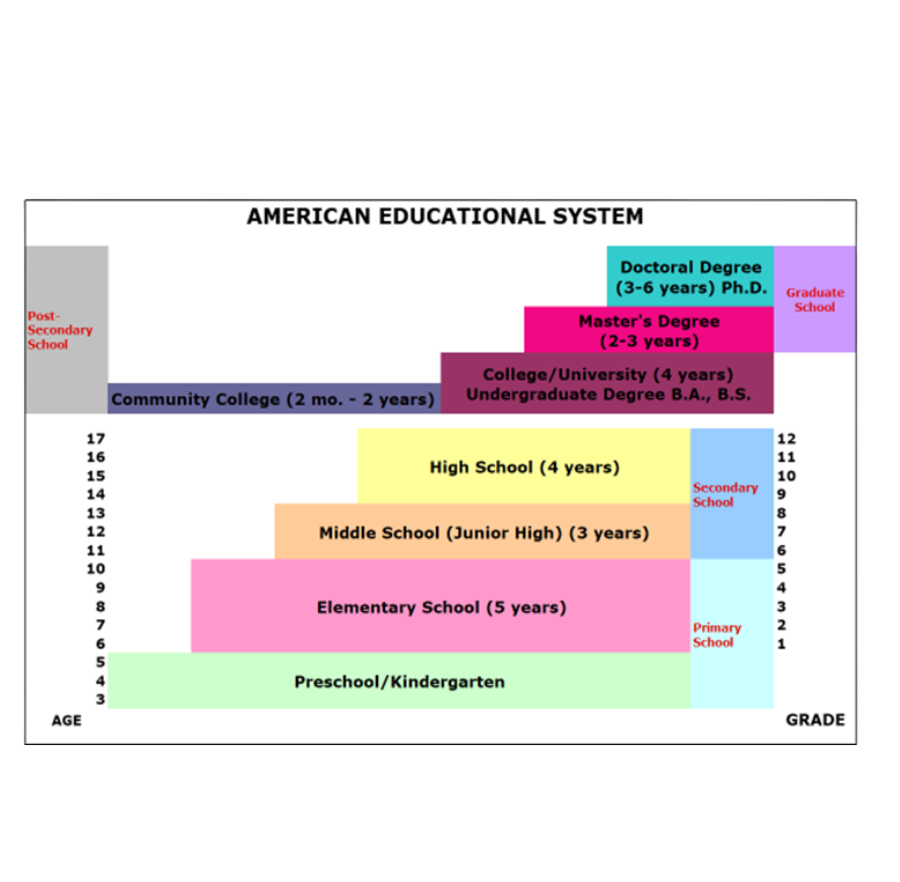
- US universities accept 16 years of education (12+4).
- Academic Percentage: 58% and above with minimum backlogs.
- Acceptable scores of Standardized Tests: GRE: 300+, GMAT: 500+, TOEFL: 79, IELTS: 6.5 overall band.
- Other factors that are looked into are the extra-curricular activities, research work, internships that the student has done in his particular subject. His documents such as Resume, LOR’s & SOP are also very crucial and have to be drafted very effectively
Standardized Exams for (Undergrad) Programs
- SAT
- Subject SAT
- ACT
- TOEFL/IELTS
Requirements
- US generally requires 12 years of education for Associate Degree and Bachelor’s Degree.
- Academic Percentage: 58% and above.
- Acceptable Scores: TOEFL 71 to 80, IELTS 6.0.
- SAT 1: A good score would be 1150+ (out of 1600).
- Only top 25 Universities may require SAT Subject tests min of 2 subjects.
- For Engineering courses: Math Level II, Physics or Chemistry.
- For Business Courses: Math Level II.
Scholarships & Fee Waiver guidance
Major Intakes
Intake | Months |
Fall | August/Sept |
Spring | Jan/Feb |
Summer | May/June |
Study and living expenses
Tuition fees at US universities ranges from
- Bachelors-USD 15,000 to 60,000 per year
- Masters-USD 20,000 to 60,000 per year
- Living and Accommodation expenses would vary from USD 15,000 to USD 25,000 per year
Post Study Work Right |
Optional practical Training (OPT)
|
Other Features of US Education
- Application fee waiver for some universities
- 15 years of education acceptable for few courses however WES* evaluation is required in case-to-case basis.
- Admissions without GRE/GMAT/SAT/ACT possible
- Post study work visa from 12 to 36 months
WES evaluation: It converts educational credentials from any country in the world into their U.S. equivalents. WES describes each certificate, diploma or degree that you have earned and states its academic equivalency in the United State
Popular programs in USA
STEM and Technology
- Computer Science and IT: Including specializations in software development, cybersecurity, and AI.
- Engineering: Popular branches include Mechanical, Electrical, and Civil, with high demand for roles like software developers.
- Data Science and Analytics: Gaining popularity due to the increasing reliance on data for business decisions.
Business and Management
- MBA (Master of Business Administration): A highly sought-after graduate degree.
- Finance: A core part of business studies, focusing on financial reporting and investment strategies.
- Other Business Fields: Including marketing, international business, and Human Resource Management.
Health and Medicine
- Medicine: A popular field with various related specializations.
- Nursing and Pharmacy: Fields with consistent job demand and significant educational programs.
- Biotechnology: Growing in popularity, often linked to advancements in life sciences.